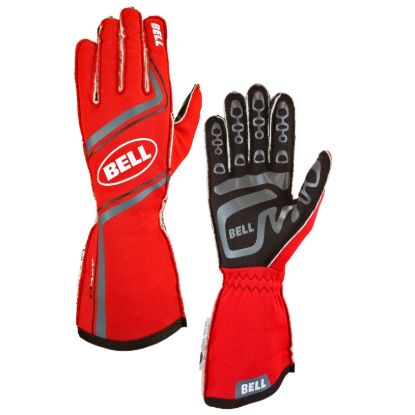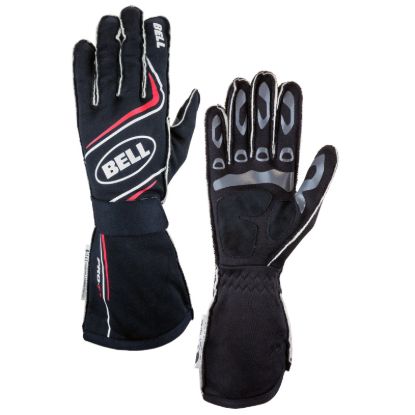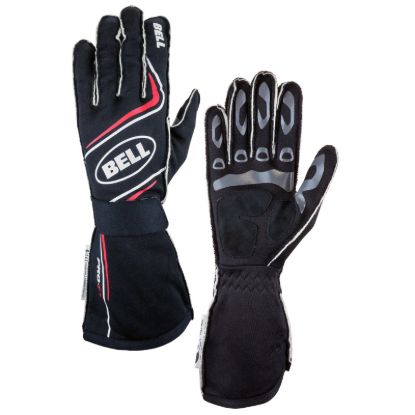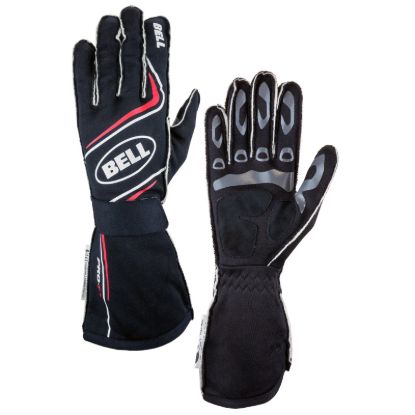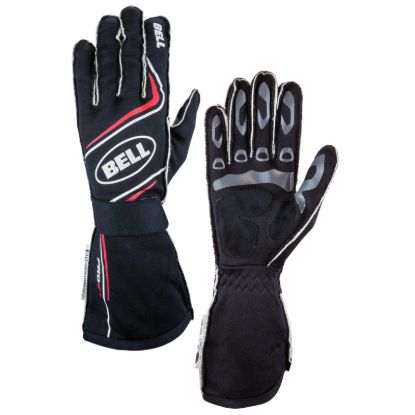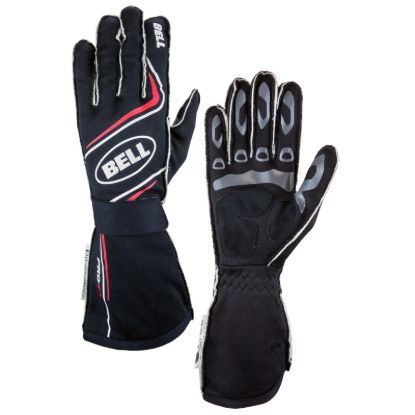

Bell Adv-TX Glove Black/Orange Small SFI 3.3/5
bllBR20021
Bell Adv-TX Glove Black/Orange Small SFI 3.3/5
172,50 € excl. VAT
What stands between your skin and the flames if fuel or oil ignites in the cockpit? Fire-retardant motorsport clothing covers your whole body with racing suits, underwear, gloves and shoes. This category is for you if you compete in rally, drag racing, track days or other events where the rules set requirements for your clothing.
Fire-retardant materials are designed to resist ignition and delay heat from reaching your skin, giving you time to get out of the car. Protection depends on the complete setup: a racing suit or jacket and pants, fire-retardant underwear underneath, plus gloves and racing shoes. The transitions at the neck, wrists and ankles are typical weak points, so the pieces should overlap. In this category you will find brands such as OMP, Sparco, RaceQuip, Bell and NRG.
Start with the rules for your racing series, then choose based on several factors:
Follow the manufacturer's washing instructions, as the wrong detergents, fabric softener or bleach can weaken the fire-retardant properties. Wash out oil and fuel spills quickly, because residue in the fabric can ignite. Avoid synthetic clothing such as polyester under the suit, as it can melt at high temperatures. Regularly check for wear, holes and loose seams, and replace damaged clothing.
The number indicates the tested protection level. SFI-1 typically covers single-layer suits, while SFI-5 is typically multi-layer and gives more time before heat reaches the skin. Which level you need depends on the rules.
Many rulebooks require it, and it adds an extra insulating layer. If you don't wear fire-retardant underwear, you should avoid synthetic clothing that can melt. Check the requirements for your specific class.
That depends on the product and the racing series. Some organizers require SFI, others FIA homologation. Check the certification for the specific part number and the suit's label before you enter.
Follow the manufacturer's instructions on the label. Typically avoid fabric softener and bleach, which can affect the material, and let the suit air dry. Remove oil and fuel quickly so residue doesn't stay in the fabric.