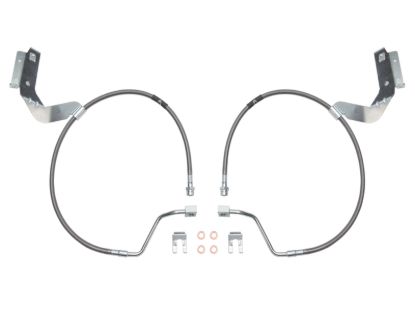
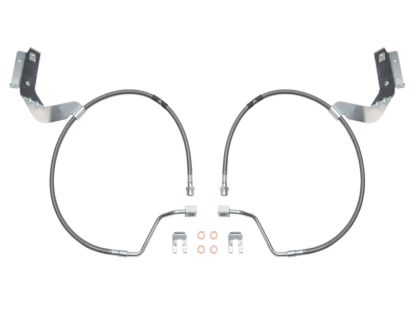
17-UP FSD EXTENDED SS BRAKE LINE KIT
ico61110
ICON 2017+ Ford F-250/F-350 Front 4.5 & 7in Extended SS Brake Line Kit
263,95 € excl. VAT
Fuel, oil, charge air or brake fluid – what needs to flow through your project, and at what pressure and temperature? In this category we bring together hoses, tubing and hose ends for the engine, fuel system, cooling, intake and brakes, so you can build up the lines to suit your exact car and purpose.
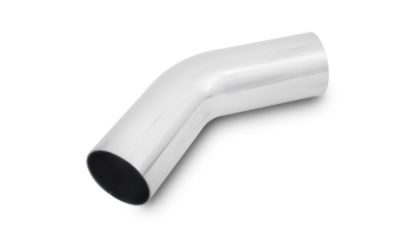
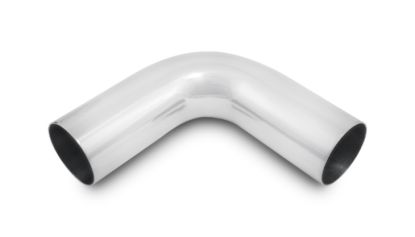
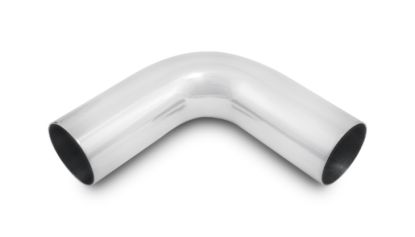
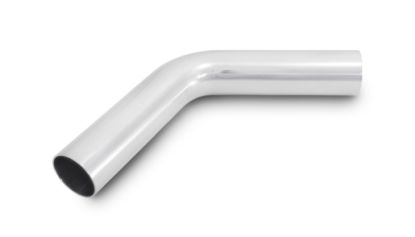
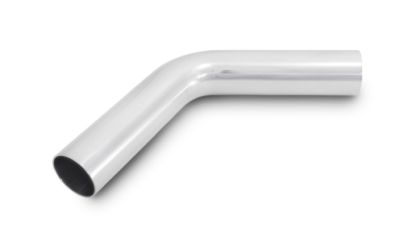
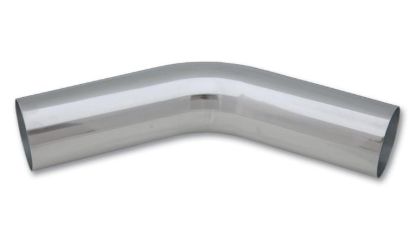
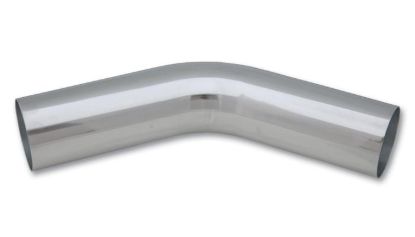
Silicone hoses are typically used for coolant and charge air, e.g. between turbo, intercooler and intake, as they typically withstand heat and hold their shape under boost pressure. For fuel and oil you can choose between braided hoses and PTFE hoses, where a PTFE core typically handles modern fuels and ethanol blends better than rubber. Vibrant, for example, offers universal aluminium tubing in several diameters and bends that can be used for charge pipes or intake, while vacuum hoses cover negative-pressure lines.
Start with the fluid, pressure and temperature, then choose size and connection:
Russell, for example, offers both standard hoses and nitrous hoses, and among the brands you will also find Gates, DFC and Fragola.
Stainless braided brake hoses can give a firmer pedal because they typically expand less under pressure than rubber hoses. Extended kits are also available, e.g. from ICON for the Ford F-250/F-350 from 2017, where the length must suit the vehicle's suspension. Whether a brake hose is approved for road use depends on the product and the car, so check the approval for the specific part number. Tighten hose ends according to the manufacturer's instructions, secure the hoses with clamps and brackets, and regularly check for chafing, cracks and leaks.
Both are typically available with braided outer protection, but the core is different. A PTFE core is typically more resistant to modern fuels and ethanol, while rubber cores can be more flexible. Choose based on medium, pressure, temperature and hose ends.
Typically not. PTFE hoses often require hose ends designed for PTFE, where an olive clamps around the core. Always check that the hose end and hose are made for each other and that the AN size matches.
It depends on the product and the car. Check the approval, e.g. E-mark, for the specific part number before fitting the hoses to a registered car, and consider asking the inspection centre in advance.