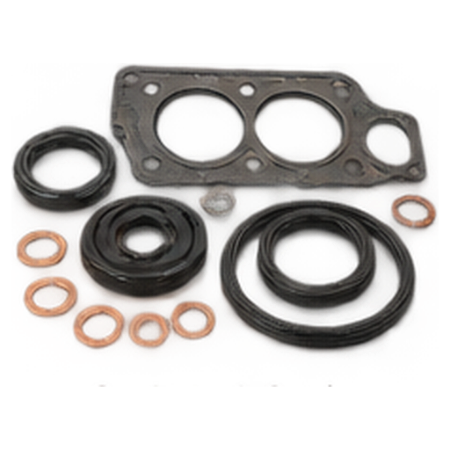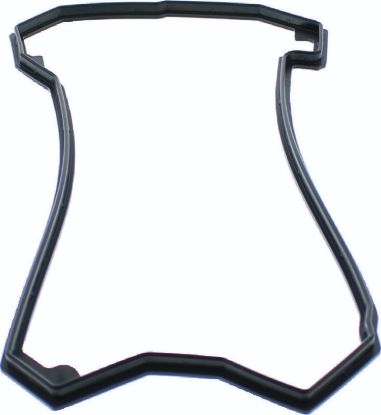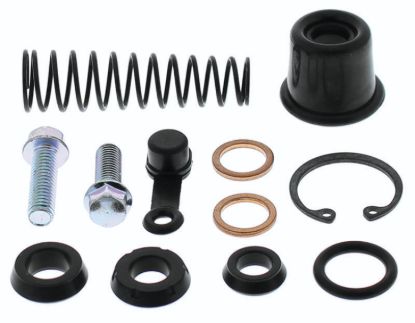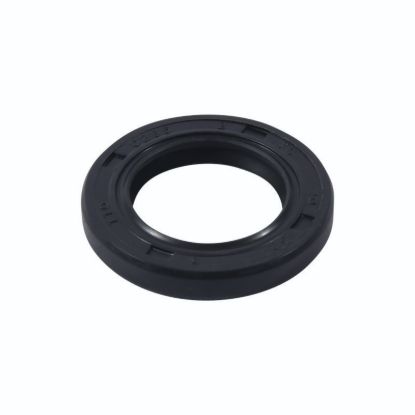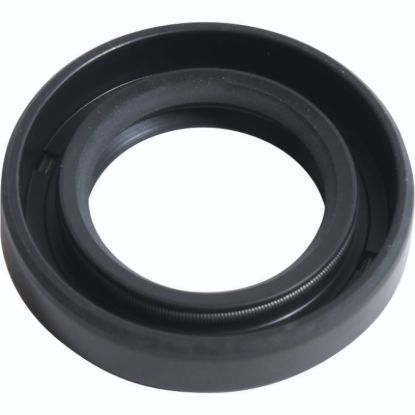

QuadBoss Arctic Cat DVX400 / Kawasaki KFX400 / Suzuki LT-Z400 Complete Gasket Kit w/ Oil Seal
qbs564034
QuadBoss Arctic Cat DVX400 / Kawasaki KFX400 / Suzuki LT-Z400 Complete Gasket Kit w/ Oil Seal
194,50 € excl. VAT
Is your engine sweating oil at a joint, or does the cylinder head need to come off during a project? Gaskets and seals keep oil, coolant, combustion gases and compression where they belong between the parts of the engine, exhaust and drivetrain. The category covers everything from oil seals and O-rings to complete gasket kits and gasket material for both daily drivers and tuned projects.
A gasket fills the small irregularities between two surfaces so the joint stays sealed under pressure and heat. Among engine gaskets and seals you will find, for example, head gaskets, intake manifold gasket kits, oil filter housing gaskets and timing belt cover seals. Rotating shafts are typically sealed with oil seals, while O-rings are used in fittings and housings, for example. For the drivetrain there are separate groups for gearbox, differential and transfer case.
Start with the engine code or the part number of the original part – fitment depends on engine and model year, not just the car model. Then consider:
Exhaust gaskets sit at the exhaust manifold, headers and flange joints, where heat and vibration put them under heavy stress. New headers may require different gaskets than the originals, so check the flange shape. When installing: clean the surfaces thoroughly, check them for warping, and tighten to the manufacturer's torque and sequence. If no ready-made gasket is available, you can cut your own from gasket material sheets, e.g. for covers and low-pressure flanges.
Brands include Cometic Gasket, Fel-Pro, Victor Reinz, Vertex Pistons and Wiseco. The range includes parts for engines such as the Ford 302/351W and 4.6/5.4L V8, Nissan RB20/RB26DETT and Audi 2.5 TFSI, as well as a few motorcycle and ATV engines such as the Yamaha YFZ450R.
It is generally not recommended. A gasket is compressed and conforms to the surfaces on first installation, so it rarely seals as well a second time. This applies especially to head and exhaust gaskets, where pressure and heat are highest.
The thickness affects the compression ratio and the clearance between piston and cylinder head. If the head or block has been resurfaced, or different pistons have been fitted, the thickness should be calculated from the actual measurements rather than just the original spec.
It depends on the gasket and the manufacturer's instructions. Many multi-layer steel and coated gaskets should be installed dry, while certain joints, e.g. where two parts meet at a corner, may require a small amount of sealant.
Typical causes are warped or dirty surfaces, incorrect torque or tightening sequence, reused bolts or a gasket that does not fit the specific engine. Check the surfaces and the engine code before you install a new one.