
Ignition Components
Is your engine misfiring under load, or do you want a stronger spark for your project? In this category we bring together the parts that create and control ignition: ignition coils, distributors, ignition modules and ignition switches. It is for you if you want to replace worn parts or upgrade the ignition as part of tuning.
How the parts in the ignition system work
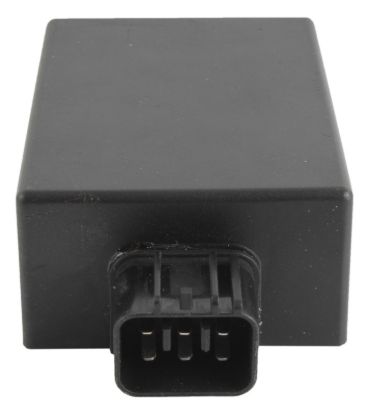
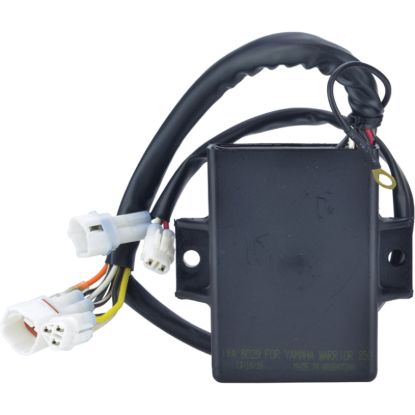
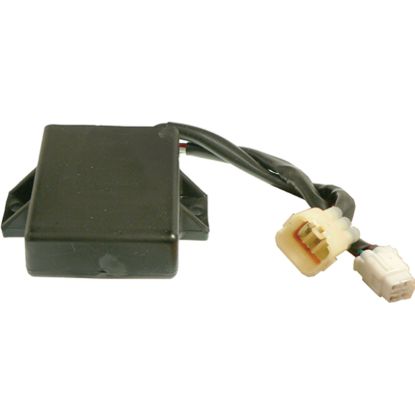
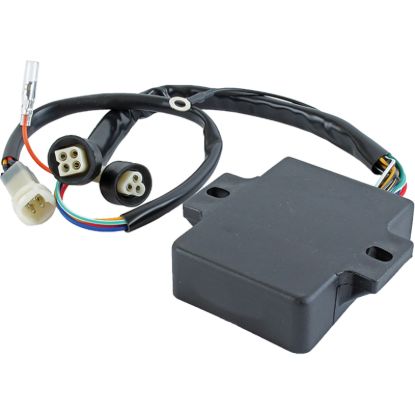
The ignition coil converts the battery's low voltage into the high voltage the spark plug needs to create a spark. On older engines a distributor sends the spark to the individual cylinders, while newer engines typically have one coil per cylinder, such as coil packs or pencil-type coils. Depending on the system, the ignition module controls when the coil charges and discharges, and the ignition switch powers the ignition and the starter. You will find the parts under ignition coils, distributors and ignition modules.
How to choose ignition parts
Start by establishing which ignition system the engine has, and whether the parts will be controlled by the original engine management or by a standalone ignition. Then weigh several factors together:
- Compatibility: connectors, mounting and the coil's electrical values must match the engine and the management system.
- Power goals: higher boost or compression can require a stronger spark to avoid misfires, but the result also depends on spark plugs and ignition leads.
- Engine management: a stronger coil can require adjusted dwell time in the engine management.
- Use: a street car, a trackday car and a dedicated race car have different requirements.
In this category you will find brands such as NGK, FAST, Arrowhead, Mishimoto and Granatelli Motor Sports.
Installation and maintenance
Treat ignition coils and leads as a whole together with the spark plugs: worn spark plugs with too large an electrode gap can put extra strain on the coil. Check connectors and wires for cracks and corrosion, and keep the coils free of oil, as a leaking seal at the spark plug well can cause misfires. After making changes, the ignition timing should be checked, especially on engines with a distributor.
Frequently asked questions
How can I tell if an ignition coil is faulty?
Typical signs are misfires, rough idle, shaking under acceleration and an illuminated check engine light. Fault codes can point to a specific cylinder, but the same symptoms can also be caused by spark plugs, leads or connectors, so check those too.
Should I replace all ignition coils at once?
It is not always necessary, but on engines with one coil per cylinder it can make sense if the coils are the same age and equally worn. That way you reduce the risk of another coil failing shortly after.
Does a stronger ignition coil require changes to the engine management?
It depends on the coil and the system. Some coils are designed as direct replacements for the originals, while others require adjusted dwell time or a standalone ignition controller. Check the product's specifications before installing.
Where is the ignition module located?
It depends on the engine. On some engines the function is built into the engine management, on others it sits in a separate module or in the distributor. The module controls when the coil charges and releases the spark.