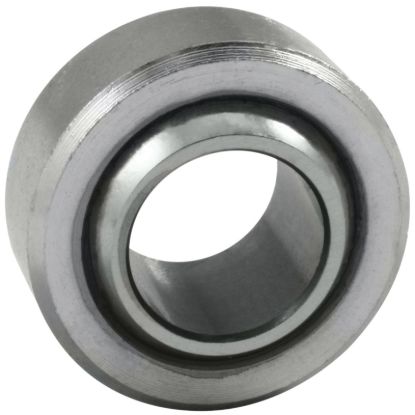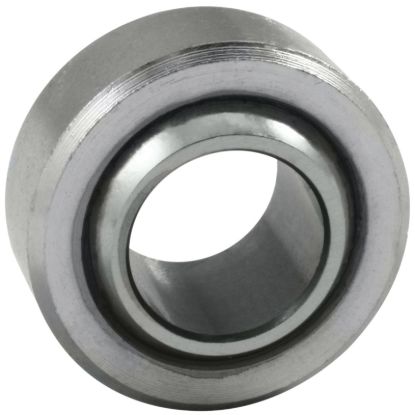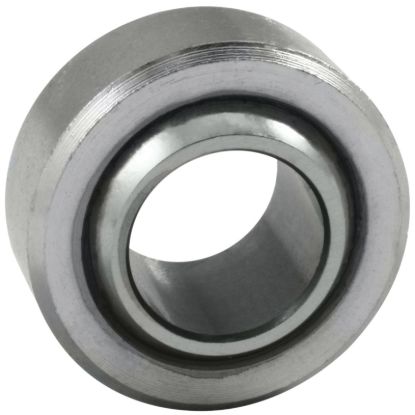
QA1 COM Series Bearing
qapCOM10T
QA1 COM-T Series Bearing - 5/8in Bore - Heat Treated Chrome Plated Chromoly Steel w/PTFE
19,66 € excl. VAT
Does your project need a joint that moves freely in several directions without the flex rubber bushings can introduce? Rod ends and heim joints sit at the ends of adjustable rods, arms and links, and are for you if you build or fine-tune suspension.
A rod end consists of a ball that can rotate and tilt inside a housing with a threaded shank. The joint is typically used on adjustable control arms and suspension rods and links, where length and geometry need to be set precisely. Compared with rubber bushings, it can give more direct handling, but it can also transmit more noise and vibration into the body.
Start with the dimensions, and check them for the specific part number:
Heavier-duty joints are also available, such as the forged RockJock Johnny Joint. The category also includes parts from Rock Krawler, King Shocks and Artec Industries.
Tighten to the specified torque, and lock the jam nut once the geometry is set. The joint's angular movement must stay within its limits, otherwise the housing can hit the shank. Joints with a grease nipple can be lubricated as needed, while others are designed to run without. Check the wheel alignment after installation; for larger changes, camber and caster kits may also be relevant.
A 2-piece rod end typically consists of a housing and a ball, while a 3-piece has an extra liner between them. The construction can affect play, friction and durability under load, so the choice depends on use and the specific product.
It depends on the product, the car and where the joint is fitted. Changes to suspension and steering may require approval, so check the requirements and documentation for the specific part number before fitting to a registered car.
Typical signs are noticeable play when you pull on the joint, clunks over bumps and wheel alignment that changes. Rust or rough movement in the ball can also mean the joint should be replaced. At the same time, check that the jam nut is tight.