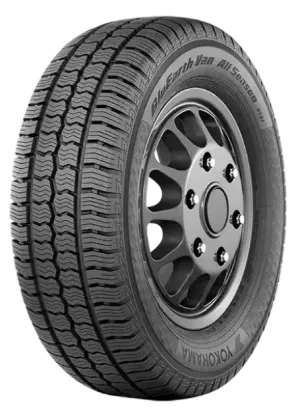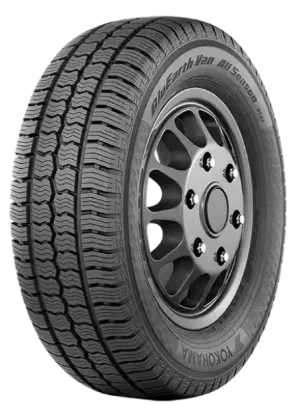
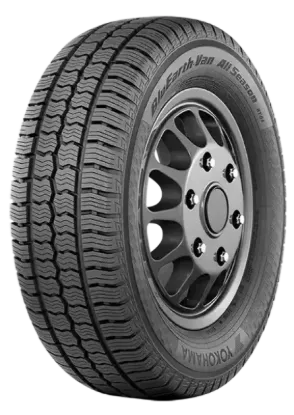
Yokohama RY61 Tire - 225/75R16C 121/120R
yok110106105
Yokohama RY61 Tire - 225/75R16C 121/120R
454,99 € excl. VAT
Does the wheel fit the hub, the tire fit the wheel and the bolts fit both? Wheels are a complete system, and every part has to match the others. This category brings together wheels, tires, lug bolts, lug nuts, spacers, tubes and hubcaps for you if you want to change your car's look, track width or grip – on the road, at a track day or in a pure competition build.
The wheel carries the tire and, together with it, determines how wide the wheel is and how far out it sits. The tire is the car's only contact with the road surface, so size and rubber compound affect grip, steering feel and comfort. Among our wheels for road and track you will find brands such as Vossen, BBS, Enkei, Advan and Weld. At Weld, the range also includes competition parts such as center sections, rim halves and beadlock rings, which clamp the tire bead to the wheel.
Start with the measurements that have to fit, then choose based on use:
Thread and seat type must match both hub and wheel, e.g. 14x1.5 or 12x1.5 and a conical or ball seat. The wrong seat can cause the wheel to come loose while driving, so choose the right lug bolts, lug nuts and wheel locks for your project. Spacers and adapters, such as H&R Trak+, can increase track width or adapt to a different bolt pattern and are available in versions for both bolts and studs. Always tighten with a torque wrench according to the manufacturer's specifications, and re-torque after the first few miles. Valves, hub-centric rings and other wheel and tire accessories complete the installation.
Whether a wheel, tire or spacer can be approved on your car depends on the product and the car. The wheel typically has to be covered by the fender, and a changed size or track width may require an inspection. Check documentation such as E-mark or a certificate for the specific part number. Markings such as SFI 15.3 on competition parts are a motorsport specification and say nothing about road approval. Check tire pressure and wear regularly, and use tubes in wheels that are not designed for tubeless tires.
Often, yes. Spacers without their own bolts move the wheel outward, so the original bolts may have too little thread engagement. How much longer they need to be depends on the spacer thickness and the car. Always check thread and engagement before driving.
5x112 means five bolts placed on a circle with a diameter of 112 mm. The center bore is the hole in the middle that centers the wheel on the hub. Both measurements must match the car or be adapted with an adapter or hub-centric rings.
It depends on the product and the car. Size, load index, offset and whether the wheel is covered by the fender all matter. Check approval and documentation for the specific part number, and consider asking the inspection authority before fitting.
Typically after the first 50-100 km following installation of new wheels, bolts or spacers. Use a torque wrench and the torque specified by the car or wheel manufacturer – an impact wrench alone does not give a correct tightening torque.