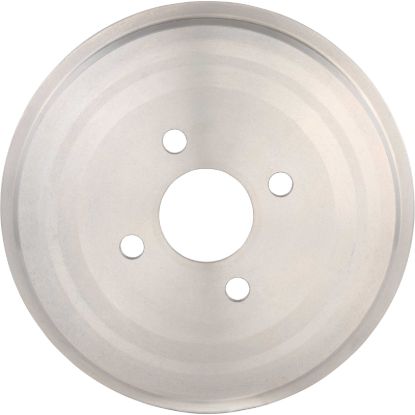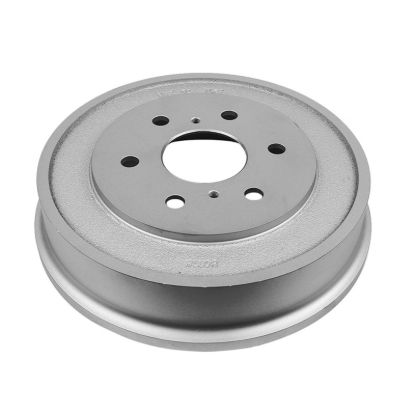

Brembo 09-13 Chevrolet Silverado 1500/GMC Sierra 1500 Rear Premium OE Equivalent Brake Drum
bre14.C277.10
Brembo 09-13 Chevrolet Silverado 1500/GMC Sierra 1500 Rear Premium OE Equivalent Brake Drum
$1,452.79 excl. VAT
Do you feel a pulsating brake pedal, or are the rear drums worn beyond the limit? Brake drums are the rotating part of a drum brake that the brake shoes press against. They are for you if you maintain or restore a car with rear drum brakes.
The drum sits on the hub and rotates with the wheel. When you brake, the wheel cylinders push the brake shoes out against the drum's inner friction surface, and the kinetic energy is turned into heat. Over time the surface wears and can become scored or uneven. Overheating can cause braking performance to drop, and a drum worn beyond the permitted maximum diameter should be replaced.
Fitment comes first: products are listed by car make, model and year, e.g. Toyota RAV4, Honda Civic or BMW 2002. Also check diameter and width against the information given for the product.
Drums are typically replaced in pairs on the same axle so the braking force is distributed evenly. It makes sense to look at the brake shoes at the same time. After installation, the shoes must be adjusted to the drum, and new brake parts typically need bedding in over the first kilometres. Whether a part is approved for your car depends on the product and the car – check the approval, e.g. R90 marking, for the specific part number before the car goes for inspection.
It may be possible if the drum has enough material left. After machining, it must not exceed the maximum diameter, which is typically stamped on the drum. If it is cracked or too worn, it must be replaced.
It is typically recommended, because old shoes are worn to the shape of the old drum and can make poor contact with a new surface. Also check the springs and wheel cylinders for leaks while the brake is disassembled.
Often the shoes have not been adjusted to the new drum, so the pedal has to travel further. A soft pedal, on the other hand, can be caused by air in the system or boiling brake fluid. Check both adjustment and bleeding.