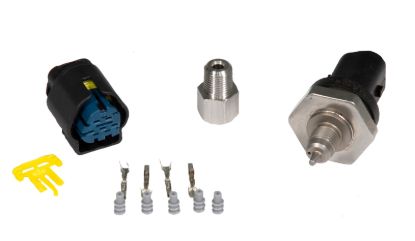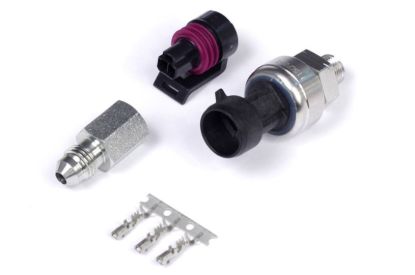


Bosch High Pressure Sensor (OE 03K906051)
bos0281006059
Bosch High Pressure Sensor (OE 03K906051)
$237.48 excl. VAT
Can you trust the numbers your engine management works from? Sensors deliver the measurements of air-fuel ratio, pressure, temperature and load that tuning and logging rely on. Here we bring together oxygen sensors, pressure, temperature and MAP sensors as well as knock sensors and mass air flow sensors. They are for you who tune, log or replace a faulty sensor.
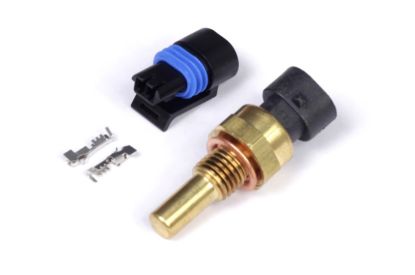
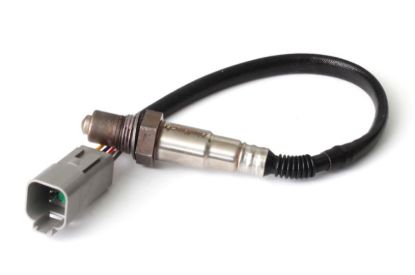
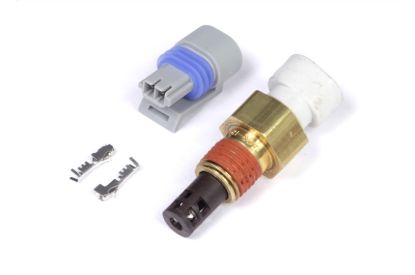
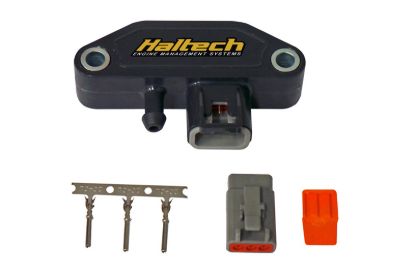
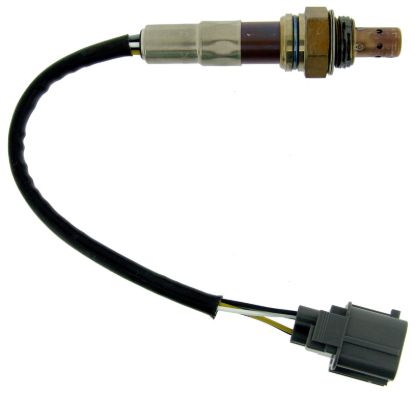
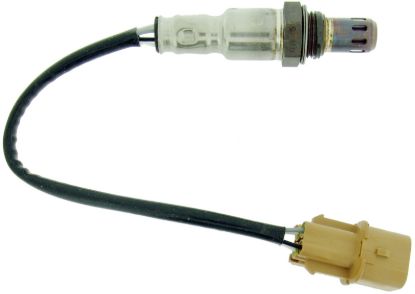
An oxygen sensor measures the oxygen content in the exhaust and thereby shows whether the mixture is rich or lean. A narrowband sensor typically only gives an accurate signal around the stoichiometric point. A wideband sensor, on the other hand, measures over a wide range, which is relevant when you tune under boost. Examples are Haltech Wideband O2 with Bosch LSU 4.2 and Haltech Bosch LSU 4.9. Pressure sensors monitor fuel, oil or wastegate. MAP sensors measure the pressure in the intake so the ECU can calculate the load. In addition, there are temperature sensors, knock sensors, position sensors and mass air flow sensors such as the Bosch Mass Air Flow Sensor.
Choose based on several factors:
In addition to Haltech and Bosch, we also carry sensors from NGK, OMIX and TwinPower.
An oxygen sensor is typically mounted after the exhaust manifold, where the gas from the cylinders is mixed. It is angled so that condensation does not collect at the tip. If a wideband sensor sits in the exhaust without power while the engine is running, it can be damaged by soot and condensation. Route the cables away from heat and ignition leads, and use proper wiring and connectors so the signal is not disturbed. If a sensor behaves strangely, the cause may also be a corroded connector, a wiring fault or a vacuum leak. So check these things before you replace the sensor.
It depends on the purpose. A narrowband sensor is typically used for control around the stoichiometric air-fuel ratio. A wideband sensor measures accurately over a wide range and is therefore used when the mixture needs to be tuned.
Only if the ECU can be configured to the sensor's signal curve and measuring range. Also check that the measuring range covers the highest boost or pressure you expect, and that the connector fits.
Typical signs are unrealistic or jumping values, fault codes or rough running. Measure resistance or voltage according to the manufacturer's data, and check connectors and wiring first, as the fault can also be there.