
Amp Tires 275-5520AMP/CA2
amt275-5520AMP/CA2
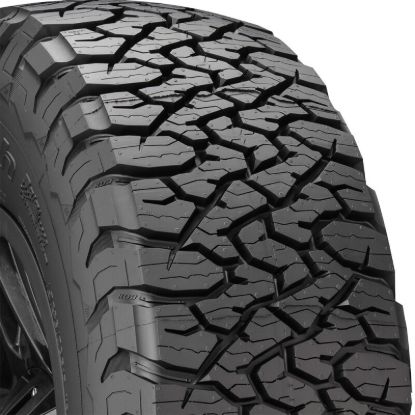
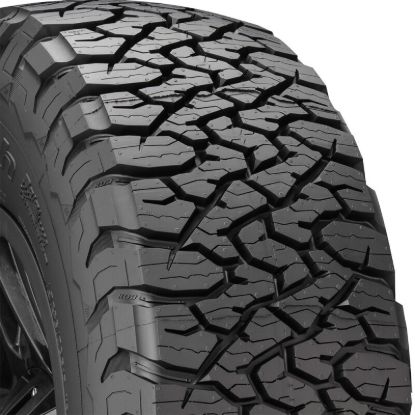
AMP Terrain Pro A/T Tire - LT275/55R20 115/112S
$5,201.04 excl. VAT
Do you drive on gravel, forest tracks or mud, but also cover many miles on tarmac? Off-road tires have a more aggressive tread and often a sturdier construction than regular road tires. They are for you if you use your vehicle off-road, with heavy loads or in a project with bigger wheels.
The tread pattern determines how the tire balances its properties between road and terrain. All-terrain tires, e.g. BFGoodrich All Terrain T/A KO3 and AMP Terrain Pro A/T, are typically a compromise with reasonable handling on tarmac and grip on gravel. Mud-terrain tires such as BFGoodrich Mud-Terrain T/A KM3 and AMP Tires Terrain Attack M/T have larger tread blocks and wider grooves that can clear themselves of mud, but they can produce more noise and wear faster on the road. The category also includes tires from Michelin, Yokohama Tire and Atturo Tire. If you drive almost exclusively on tarmac, regular road tires may be a better choice.
The tire marking tells you more than the diameter. LT in front of the size, e.g. LT265/60R18, means light truck tires with a construction for higher loads, while sizes such as 35X12.50R20LT are given in inches as overall diameter, width and rim diameter. Check the load and speed index, e.g. 114/110S, against your vehicle's requirements, and be aware that larger tires may require more space in the wheel well and change the speedometer reading. Whether the tire is road legal and can pass inspection depends on the tire and the vehicle – check the E-mark and the vehicle registration certificate for the specific part number.
All-terrain tires typically have a tighter tread pattern that works on both tarmac and gravel. Mud-terrain tires have larger tread blocks and wider grooves for mud and rocks, but can produce more road noise, less grip on wet tarmac and faster wear.
A lower pressure can increase the contact patch and grip in sand and mud, but how low you can go depends on the tire, rim and load. Always inflate to the recommended pressure before you drive on the road again.
It depends on the vehicle. A larger diameter can hit the wheel well or suspension and change the speedometer reading, and the load and speed index must match your vehicle's requirements. Check the vehicle registration certificate and the E-mark for the specific part number before you buy.