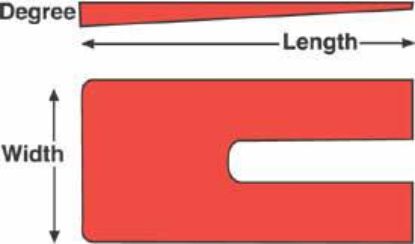
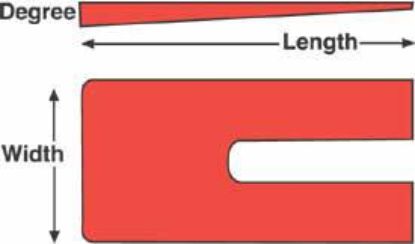
SPC 10443 ZINC SHIMS 2.5x5x2.5 (6)
spc10443
SPC Performance ZINC SHIMS 2.5x5x2.5 deg.
$684.52 excl. VAT
Are your wheels sitting crooked after lowering, or is the axle angle not where it should be? Angle shims are thin, wedge-shaped plates fitted between parts of the suspension so the angle can be adjusted in small increments. We stock them in aluminium and zinc.
A shim is placed between two mounting surfaces in the suspension. Because the plate is thicker at one end, it changes the angle of the part being clamped – e.g. wheel alignment or axle angle. This can be relevant in a project where the original adjustment range is not enough. If you need to adjust elsewhere, you will find more types under shims, including engine shims.
Measure the angles before and after installation, and tighten the bolts to the torque specified by the vehicle manufacturer. Even small angle changes can affect tyre wear and handling, so a wheel alignment after installation is recommended. Check at each service that the shims are secure. The parts in this category come from SPC Performance.
That depends on how far the angle deviates from the desired value. Have the wheel alignment or axle angle measured first, then choose a shim based on the angle in degrees stated in the product name.
Both materials are available in this category, in several cases in the same dimensions and angles. Which one you should choose depends on the mounting location and on what the manufacturer specifies for the specific part number.
That depends on the car, the extent of the modification and the applicable regulations. Suspension modifications may require an inspection or approval, so check the requirements for the specific part number and your car before driving on public roads.