
Clutch Release Bearings
Is there a whine or growl from the gearbox as soon as you press the clutch pedal? Then the release bearing may, among other things, be worn. The bearing pushes on the pressure plate springs when you disengage the clutch, and in this category you will find mechanical and hydraulic bearings for street cars and projects.
What the release bearing does
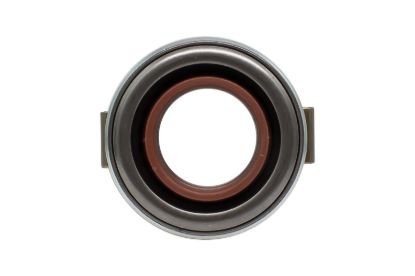
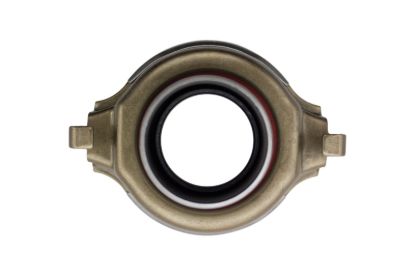
The release bearing, also called a throwout bearing, sits between the release mechanism and the pressure plate in the clutch. When you press the pedal, the bearing pushes on the pressure plate springs so the clutch disc is released. Wear typically shows up as noise or a change in pedal feel. We carry classic bearings, hydraulic bearings such as Clutch Masters' high performance bearing for the Nissan SE-R, and collars such as the ACT Monoloc Collar.
How to choose a release bearing
- Fitment: The bearing must fit your specific car and gearbox. Check the part number against your model, e.g. Subaru Impreza, Honda Civic or Mazda Miata, for which the range includes specific bearings.
- Pressure plate: A stronger pressure plate can load the bearing differently. Choose a bearing that matches the exact pressure plate or clutch kit you are installing.
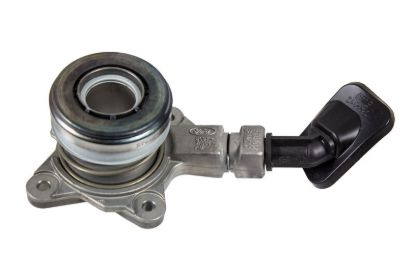
- Actuation: A mechanical bearing is pushed by a clutch fork, whereas with a hydraulic bearing the bearing and hydraulics are typically combined in one unit. This also affects your choice of clutch hydraulics.
Installation and maintenance
The bearing is typically replaced when the gearbox is out anyway for a new clutch disc or pressure plate, because the job is the same. Clean the guide tube, lubricate only where the manufacturer specifies, and check the clutch fork contact surfaces for wear. A hydraulic bearing must be bled after installation. Brands in this category include ACT, Exedy, McLeod Racing and Comp1 Clutch.
Frequently asked questions
How can I tell if the release bearing is worn?
A worn bearing often makes a whining or growling noise when the pedal is pressed, and the noise typically disappears when you release it. Similar noises can, however, come from the gearbox, so have the fault diagnosed before you replace parts.
Should I replace the release bearing together with the clutch?
It typically makes sense, because the gearbox has to come out to reach the bearing. An old bearing in a new clutch can cause noise or pedal problems shortly after, and then the same job has to be done again.
What is the difference between a mechanical and a hydraulic release bearing?
A mechanical bearing is pushed by a clutch fork, while a hydraulic bearing is typically actuated directly by the hydraulics without a fork. Which type your car can use depends on the gearbox design, so check the fitment for the specific part number.