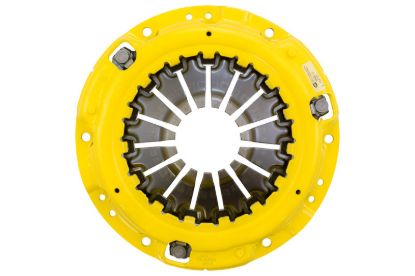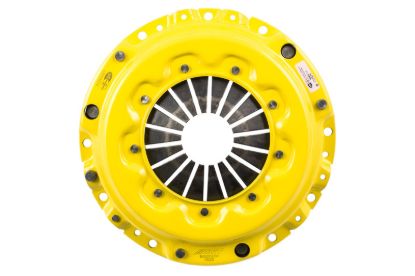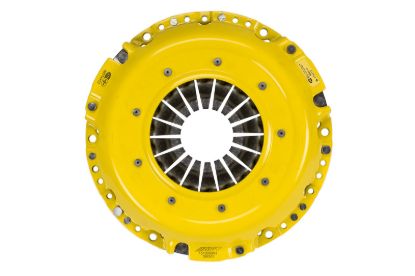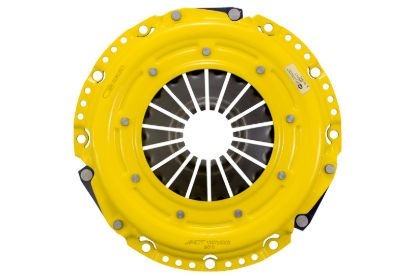
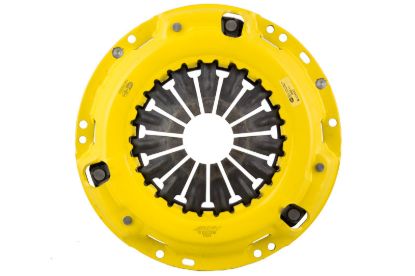
ACT Heavy Duty Pressure Plate
actT023
ACT 1988 Toyota Camry P/PL Heavy Duty Clutch Pressure Plate
$2,886.30 excl. VAT
Is your clutch slipping as boost builds, or is the original pressure plate worn out after many miles? A pressure plate clamps the clutch disc against the flywheel, and here you can choose a version with the clamping force your project needs – for a street car or a track day.
The pressure plate is bolted to the flywheel and uses its diaphragm spring to press the clutch disc against the flywheel's friction surface. When you press the pedal down, the release bearing relieves the spring so the disc is released. If you increase the engine's torque, e.g. with higher boost pressure, the original clamping force can become too low, and the clutch may start to slip. Uprated versions such as the ACT Heavy Duty Pressure Plate are designed for higher clamping force, which often results in a heavier pedal. In this category you will also find parts from SPEC, Exedy, McLeod Racing and Clutch Masters.
The highest clamping force is not automatically the right choice. Weigh up several factors:
During installation, the flywheel surface should be inspected and resurfaced if necessary, or you can replace it with one of our flywheels. Tighten the bolts evenly in a criss-cross pattern to the manufacturer's torque specification.
If the engine delivers more torque than the pressure plate and disc can transfer, the clutch can slip. It can also be caused by worn or oil-contaminated friction material, so check the disc before replacing only the pressure plate.
It is possible, but the disc often wears at the same rate, and a new pressure plate on a worn disc can result in poor engagement. Many therefore replace the pressure plate, disc and release bearing at the same time, since the gearbox has to come off anyway.
A pressure plate with higher clamping force can require more pedal effort, which can be especially noticeable in city driving and traffic jams. How big the difference is depends on the product and on the car's hydraulics or cable linkage.