
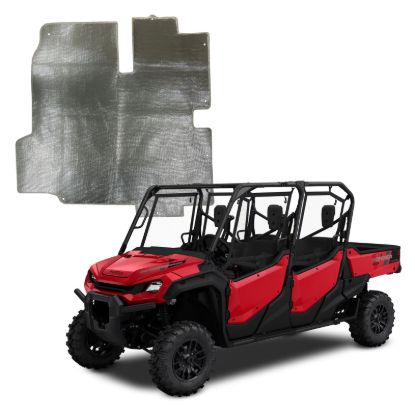
22-24 Honda Pioneer 1000 - Heat Shield
dei902409
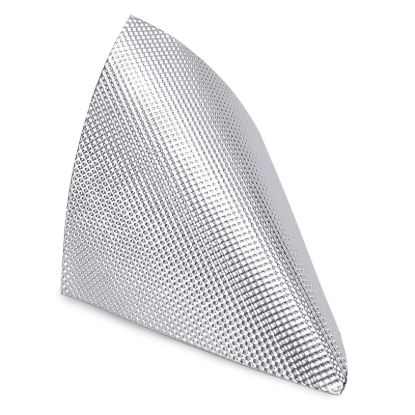
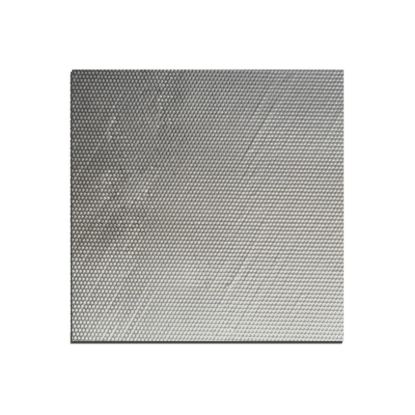
DEI 22-24 Honda Pioneer 1000-3/1000-5/1000-6 (Non CA Models) Under Seat Heat Shield Kit
$992.10 excl. VAT
Are hoses, wiring or the intake suffering from the heat of the exhaust manifold and turbo? Heat protection can keep the heat where it is generated and lower the temperature in the engine bay and under the car. This category is for you if you have a project with a turbo, headers or new piping, and for you if you want to protect the original parts.
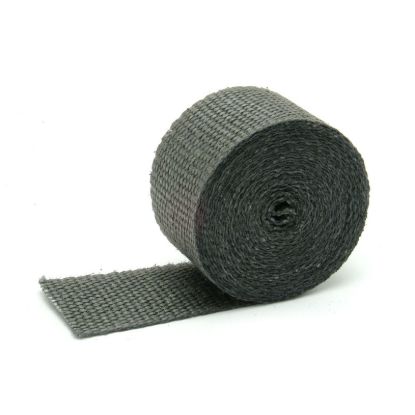
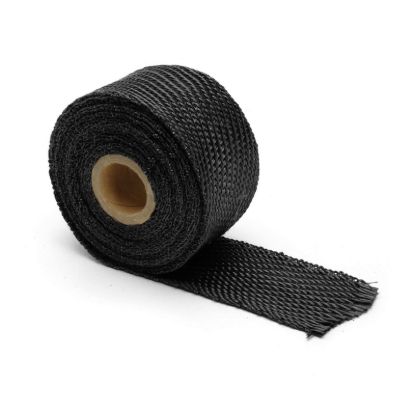
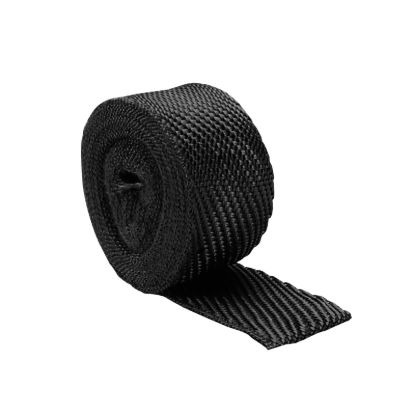
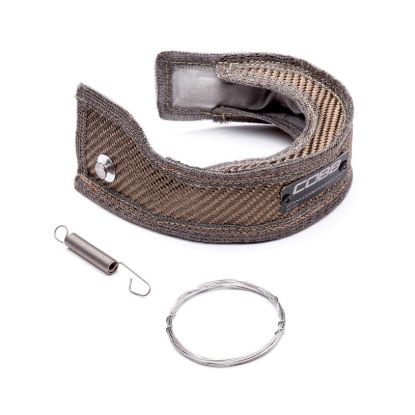
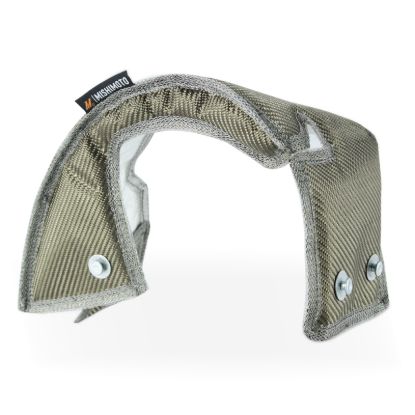
The parts work in two ways: they insulate the heat source itself, or they shield whatever needs protecting. Exhaust wrap is wound around pipes and headers, while turbo blankets – e.g. from Torque Solution and COBB – are fitted around the turbo housing. Torque Solution also offers blankets for intake pipes. Heat shields and insulation mats sit between the heat source and e.g. the floor, seat or bonnet – DEI, for example, offers insulation for the underside of the bonnet. A cooler intake can give more consistent performance, but the effect depends on the car and placement.
Choose based on several factors rather than simply the thickest insulation:
Wrap is typically wound tightly with overlap and secured with stainless ties. Follow the manufacturer's instructions, and expect new wrap to smoke a little the first few times it gets hot. Wrap can trap moisture against the pipe, so inspect pipes and welds regularly, especially on headers. Blankets should fit snugly without pinching sensors or wiring. Besides DEI and Torque Solution, you will also find Mishimoto and Injen in this category.
Wrap insulates the pipe itself and keeps the heat inside the exhaust, while a shield protects a specific part from radiant heat. If the problem is in one spot, e.g. at a hose or the floor, a shield may be enough; if the entire piping needs insulating, wrap is the more obvious choice.
It can. Wrap traps moisture and heat, which can accelerate corrosion, especially on thin-walled pipes and welds. The risk depends on pipe material and usage, so inspect the pipes regularly and replace the wrap if it is saturated with oil or dirt.
It depends on the product and the car. Shields and insulation must not be loose or cover inspection points. Check the requirements and any approval for the specific part number before you install.