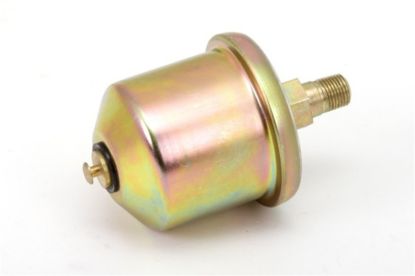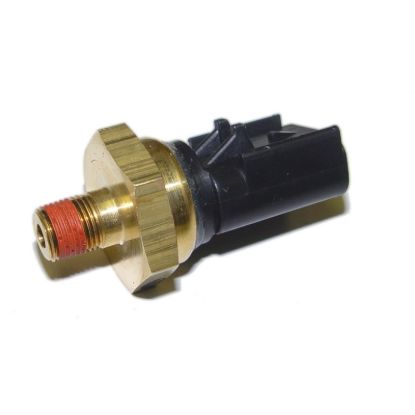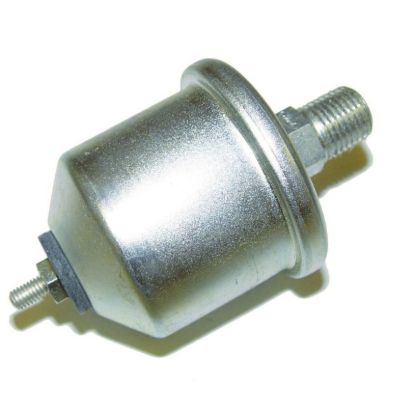


Bosch High Pressure Sensor (OE 03K906051)
bos0281006059
Bosch High Pressure Sensor (OE 03K906051)
$237.48 excl. VAT
Is your oil pressure gauge showing incorrect readings, or has the engine management stored a fault code for a pressure sensor? In this category, we bring together oil pressure senders and high-pressure sensors for you who want to replace a faulty sensor with a part that fits your car.
The category contains two types: oil pressure senders, which typically send a signal about the engine's oil pressure to a gauge or warning light, and high-pressure sensors from Bosch, which are listed by OE number, e.g. 03K906051 and 20524936/2S0906051. The oil pressure senders from OMIX are organised by Jeep model and model year, e.g. CJ, SJ, Cherokee and Wrangler. If you only want to see the oil pressure senders, you can go directly to oil pressure sensors.
If the fault does not clearly point to the pressure sensor, it may be worth looking at temperature sensors or MAP sensors, which can also affect the engine management.
The safest way is the OE number, which is typically printed on the old sensor or can be found from the car's data. The Bosch sensors in this category are listed by OE number, so you can compare directly before you order.
No. A faulty sender can give an incorrect reading, but low oil pressure can also be caused by too little oil, wear or a clogged oil strainer. Check the oil level, and ideally the pressure with a mechanical gauge, before concluding that the sender is faulty.
Typically fit the sensor with the engine cold and the system depressurised, and tighten according to the manufacturer's instructions so the thread is not damaged. Check for leaks and correct readings after start-up. Depending on the product, thread sealant may be required.