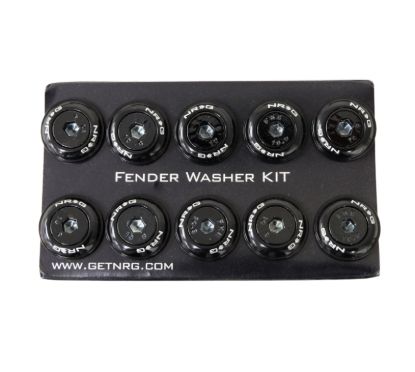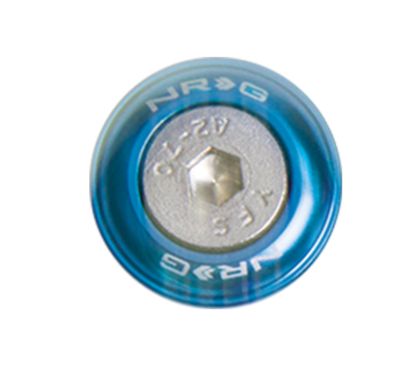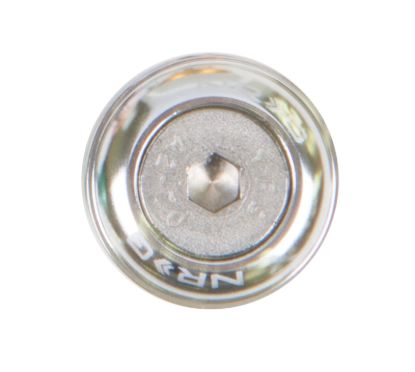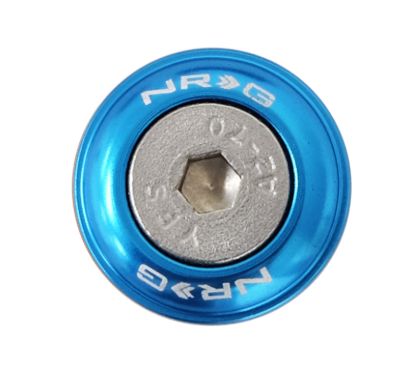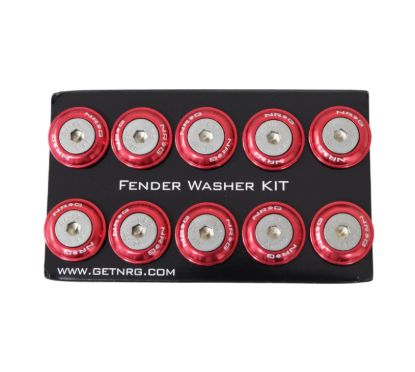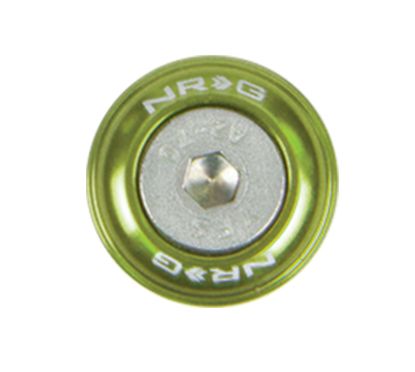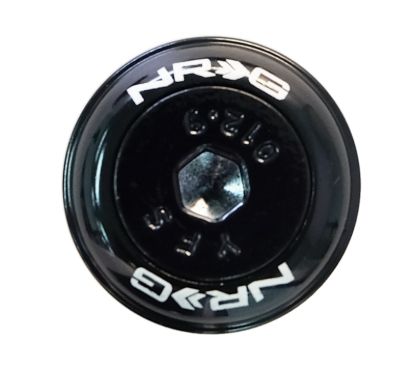


NRG Fender Washer Kit w/Rivets For Plastic (Black) - Set of 10
nrgFW-100BK
NRG Fender Washer Kit w/Rivets For Plastic (Black) - Set of 10
$272.16 excl. VAT
Is the fender trim coming loose, or does your gearbox need new washers during a rebuild? Washers spread the load from the bolt and nut, protect the mounting surface and keep the joint in place. This category includes both coloured fender washer kits for plastic and metal and wave and thrust washers for Jeep and Willys models.
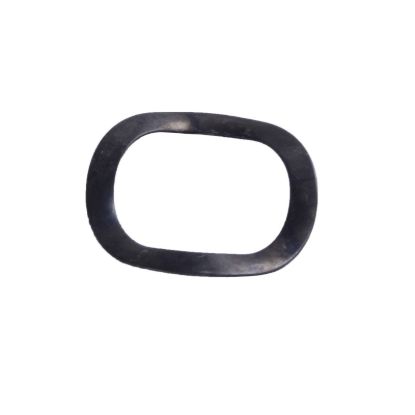
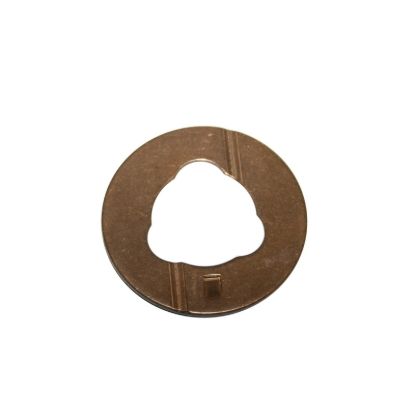
A washer sits between the bolt head or nut and the mounting surface and spreads the clamping force over a larger area. This can reduce the risk of plastic, thin sheet metal or painted surfaces being pressed in or damaged. You will find standard washers under flat washers, while a wave washer provides a slight spring preload, e.g. in the tailgate latch. Thrust washers have a different job: in a gearbox such as the T90, they take up axial thrust between rotating parts. Washers go hand in hand with the rest of your fasteners and hardware, so also check bolts and nuts for the same project.
The choice depends on more than just the hole size:
Gearbox and body washers are often made for specific models and model years. The OMIX parts in this category are, for example, listed for the T90 gearbox in Willys and Jeep models or for the Jeep Wrangler JK, so always compare the part number and model year with your car. During a gearbox rebuild, it pays to check the thrust washers, as wear can cause axial play. Do not reuse washers that are deformed, cracked or corroded, and tighten plastic joints carefully so the surface does not crack.
A flat washer spreads the clamping force over a larger area. A wave washer is shaped so that it flexes and maintains a slight preload in the joint, e.g. where a latch needs to sit tight without clamping too hard.
Choose according to the material the washer is mounted into. The rivets are designed differently, and a kit intended for metal can give a poor joint or damage the surface if used in plastic – and vice versa.
It depends on the wear. They are typically checked during a rebuild, and if there are clear wear marks or axial play on the shafts, it may be necessary to replace them. Check that the part number matches your gearbox and model year.