
Aeromotive Fuel Tank
aer18447
Aeromotive 69-70 Ford Mustang 340 Stealth Gen 2 Fuel Tank
$8,792.42 excl. VAT
Is your pickup's tank not giving you enough range, or does an old, rusty tank need replacing in a build project? This category brings together complete fuel tanks: replacement tanks, larger tanks with extra capacity and auxiliary tanks for mounting mid-ship under the vehicle or behind the rear axle.
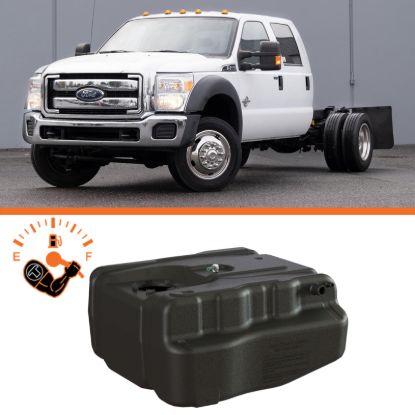
A fuel tank can replace the original tank in the same location or give you extra range. Titan Fuel Tanks, for example, offers 40 and 52 gallon tanks as mid-ship tanks that sit in the middle under the vehicle, and as an after-axle utility tank behind the rear axle. Aeromotive has tanks for conversions, e.g. the Stealth Gen 2 tank for the Ford Mustang 69-70. ARB and Nitrous Express are also among the brands. For motorsport, a fuel cell can be an alternative, and under tanks and fuel cells you can see the whole range.
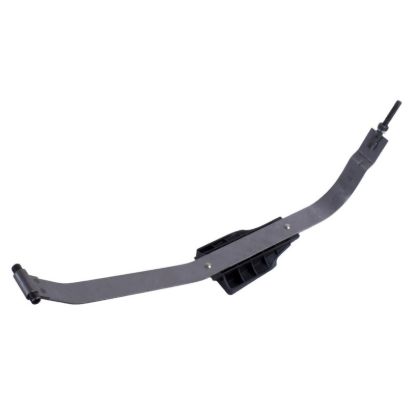
The tank must be secured with the correct straps and brackets; OMIX, for example, has a center strap for the Jeep Wrangler TJ 97-06. Use fuel-resistant hoses, inspect the straps for rust and loose bolts, and find caps and filler necks under fuel caps and fillers.
Yes, some tanks are designed as auxiliary tanks, e.g. mid-ship or behind the rear axle. This typically requires a separate filler and lines, and whether the setup can be approved depends on the product and the vehicle – check the specific part number.
A fuel tank typically replaces or supplements the original tank. A fuel cell is normally built for motorsport, often with a foam insert and a stronger shell. Requirements and approval depend on the regulations and the specific tank.
It depends on the tank. Some are prepared for a specific pump and sending unit, while others require you to transfer the old parts. Check the product description, and consider replacing worn parts while the tank is out anyway.