

Clutch Discs
Do you need the power from your engine to be transferred reliably, even after you have increased the output? The clutch disc, also called the friction plate, sits between the flywheel and the pressure plate and carries the full torque. Here you can choose between discs with and without a sprung hub and various friction materials for street, track day and racing.
Sprung hub or rigid hub
The clutch disc is pressed against the flywheel by the pressure plate, and the friction transfers the torque to the gearbox. A sprung disc has torsion springs in the hub that can dampen vibrations and jerks in the drivetrain. A rigid disc has no springs and typically gives a more direct but harsher engagement with more gearbox noise. At ACT, for example, you will find race discs in both versions with 4 or 6 pads.
How to choose a clutch disc
- Torque: together, the disc and pressure plate must hold the engine's torque with a margin, even at higher boost pressure.
- Use: for daily driving, smooth engagement is often more important than maximum holding capacity, while a harder friction material can be relevant for track driving.
- Compatibility: diameter, number of hub splines and shaft diameter must match the gearbox input shaft and the flywheel.
- Matching parts: a complete clutch kit makes it easier to get parts that are matched to each other.
Installation and break-in
Check the flywheel surface, and consider replacing the release bearing while the gearbox is out anyway. Most discs require a break-in period without hard launches; follow the manufacturer's instructions for the specific product. The category also includes friction and disc packs with multiple plates as well as brands such as McLeod Racing, SPEC, Wiseco and Exedy.
Frequently asked questions
What is the difference between a clutch disc with 4 and 6 pads?
The number of pads affects the friction surface and the character of the engagement. Fewer pads typically give a more abrupt engagement, while more pads can spread wear and heat over a larger area. The choice depends on power, the weight of the car and how it is used.
Can I replace the clutch disc without replacing the pressure plate?
It is possible if the pressure plate is in good condition and matches the new disc. If the pressure plate is worn or heat-discoloured, or the clutch needs to hold more torque, the two parts should be chosen together.
Why does the clutch slip after fitting a new disc?
It can be caused by insufficient break-in, oil or grease on the friction surface, a worn flywheel or too little clamping force from the pressure plate. Faults in the hydraulics or adjustment can also cause slipping, so check the entire system.

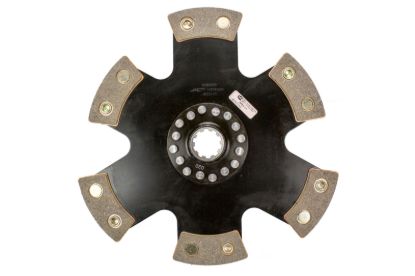
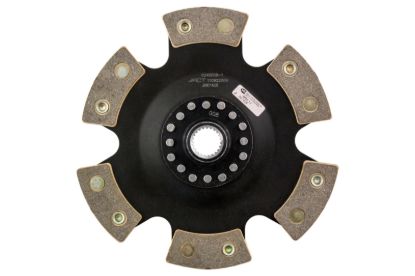


ACT 6 Pad Rigid Race Disc
act6210015
ACT 1996 Volkswagen Golf 6 Pad Rigid Race Disc
1.404,12 € excl. VAT